The inaugural entry of this collection engages with a fundamental yet enduring question: What is architecture? The definition of architecture — particularly that of a building — varies depending on the lens through which it is viewed. For an artist, architecture is the design of a space as an expressive medium, evoking emotions through form, light and materiality. For an engineer, it is a system of structural connections, where forces, loads and materials coalesce to ensure stability and function.
“The architecture of a building is a product of assemblage, or the way physical elements—forms, materials, textures, colours—are combined to create enclosed and open spaces that have a distinctive presence.”
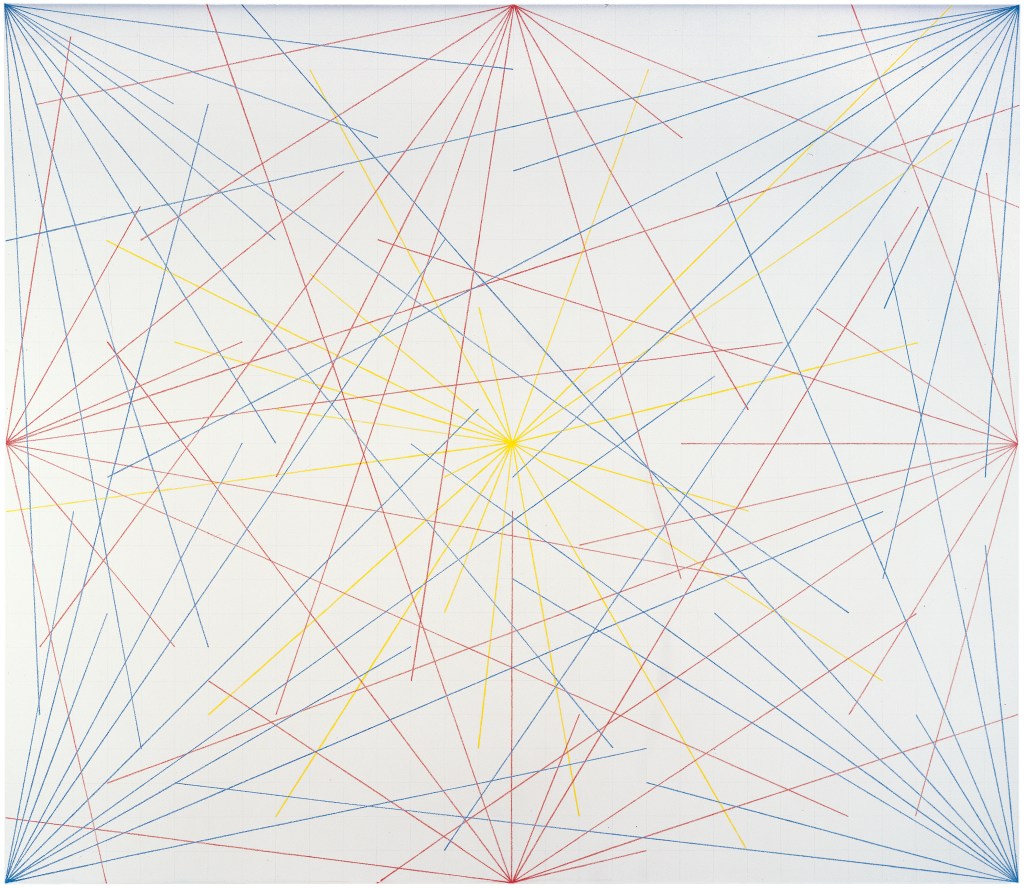
This notion of assemblage is central to Architecture as an Instruction-Based Art (2024), an exhibition curated by Farshid Moussavi and Abby Kuohn. Moussavi’s work reinterprets Sol LeWitt’s Wall Drawings (1975), a seminal exploration of instruction-based art. While LeWitt embraced openness, Moussavi underscores the architect’s duty to adhere strictly to instructions, asserting the moral and legal weight of each line. In this sense, architecture emerges as arguably, the most profound manifestation of instruction-based art — one where precision is not just a creative choice but an ethical imperative.
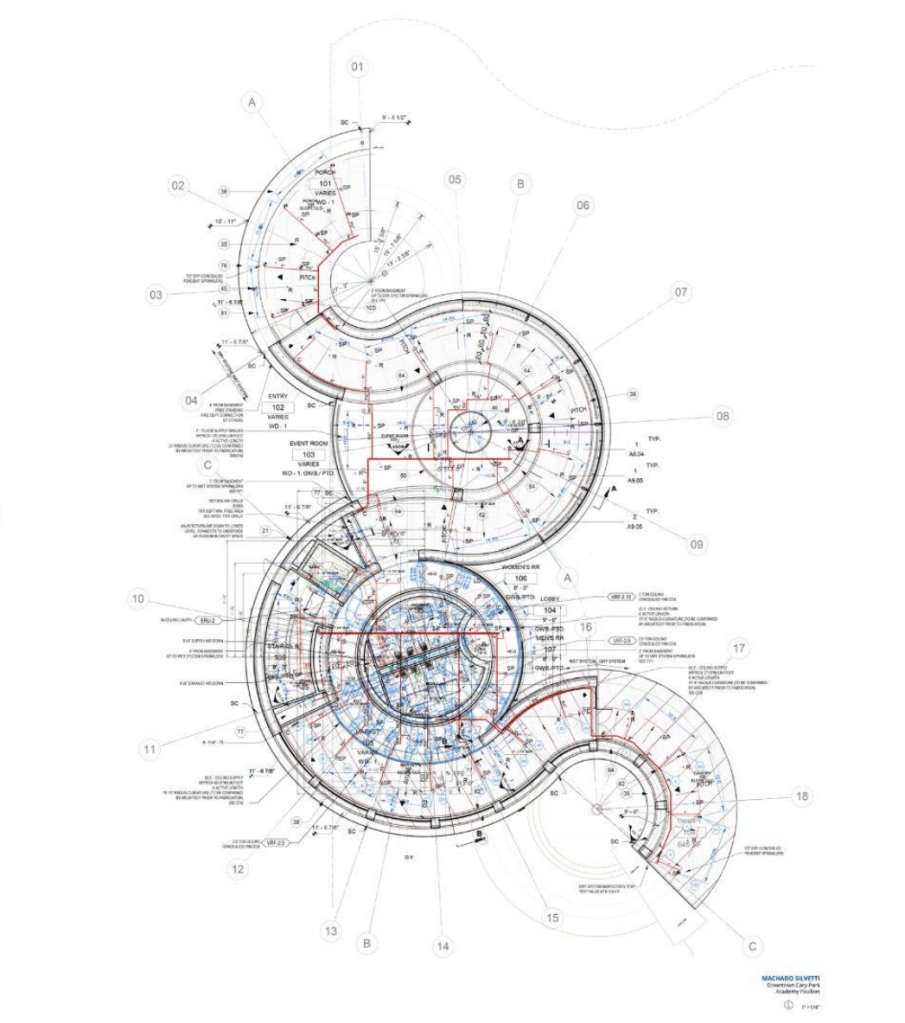
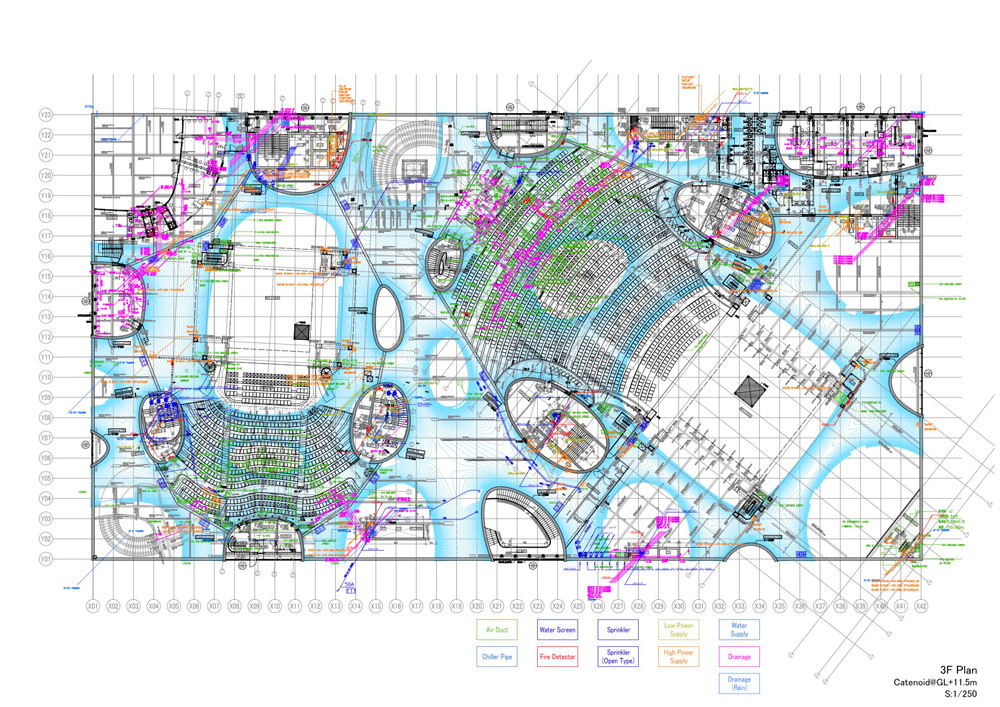
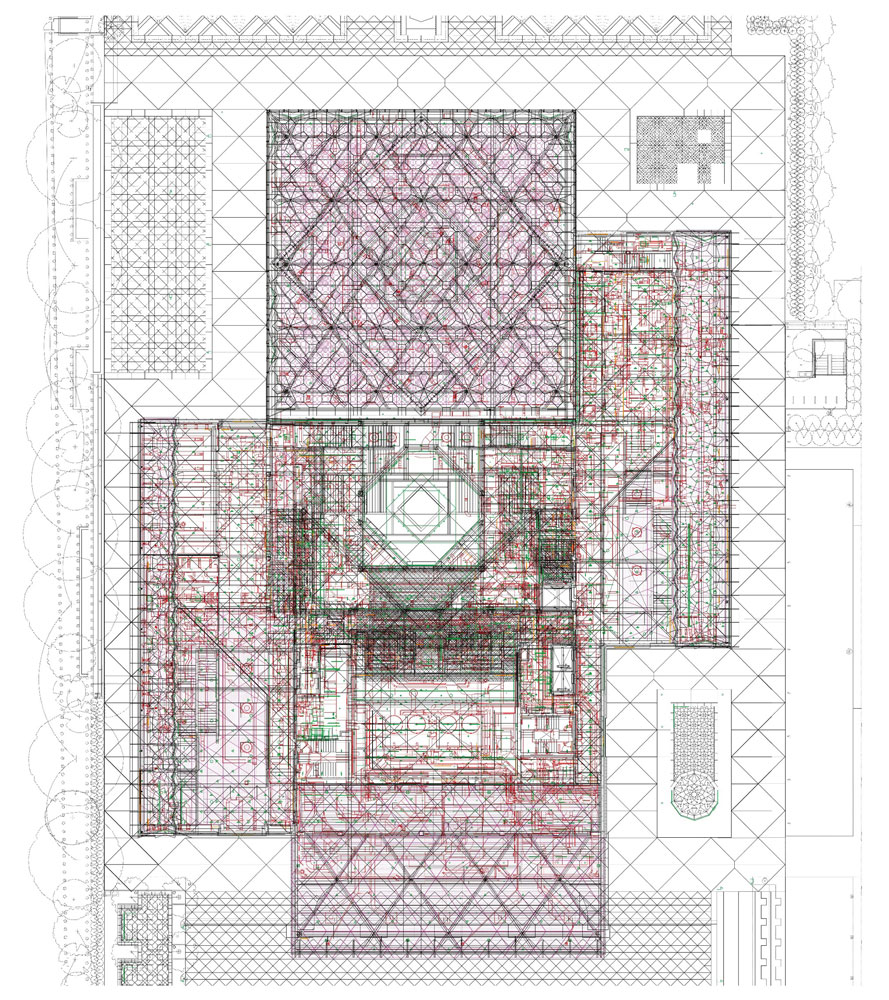
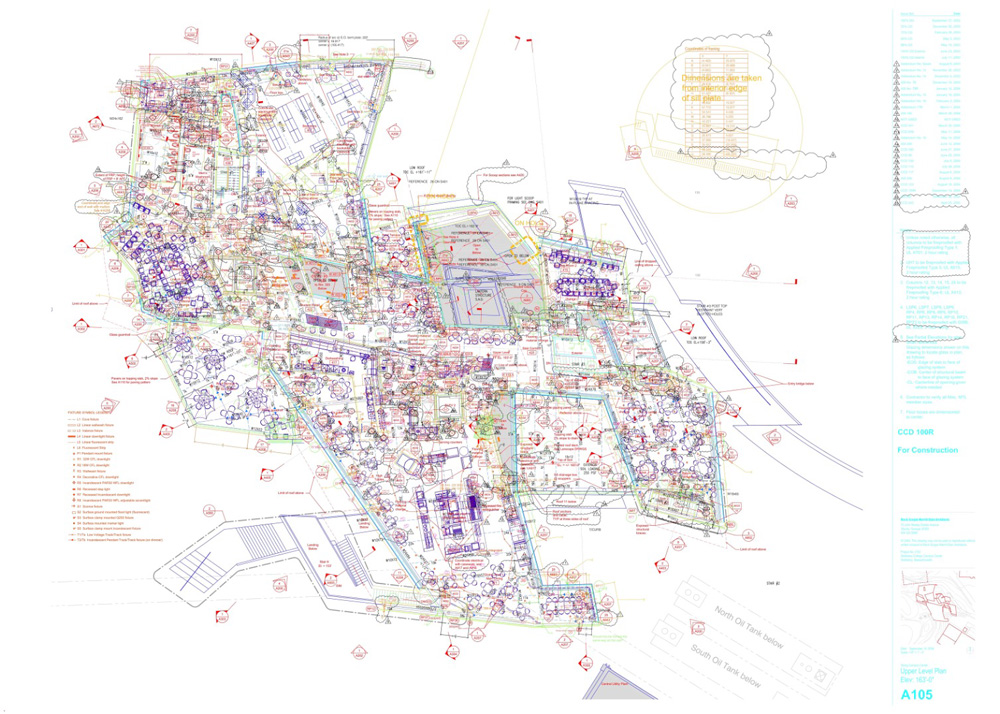
This exhibition explores the evolving assemblages of these physical elements, while addressing the integration of systems – structural and mechanical systems, fire safety regulations, topological conditions and rights of light, just to name a few — that form the cornerstone for building construction. These factors shape a process of negotiation among various stakeholders that include architects, engineers, urban planners and surveyors.
When layered together, these drawings reveal the synthesis of these negotiations — where competing demands are resolved to shape a space that uniquely structures the human experience. These drawings are not merely technical documents; they are blueprints of intent, translating abstract ideas into tangible, buildable forms that define our experiences.
What, then, is the role of an architect in this process? It is the art of designing these spaces, informed by a distinct design philosophy shaped by cultural and historical contexts, lived experiences and aspirations. But architecture, for starters, is a collaborative act — an assemblage of ideas and expertise that ultimately renders a project buildable.


 Nusantara Files