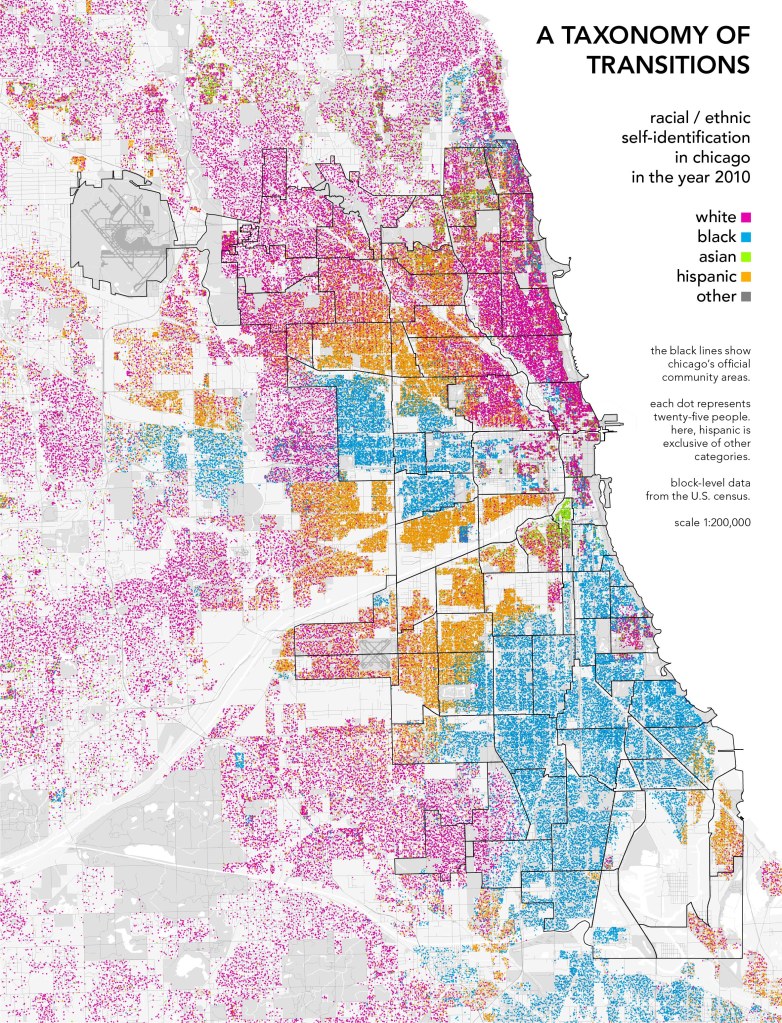
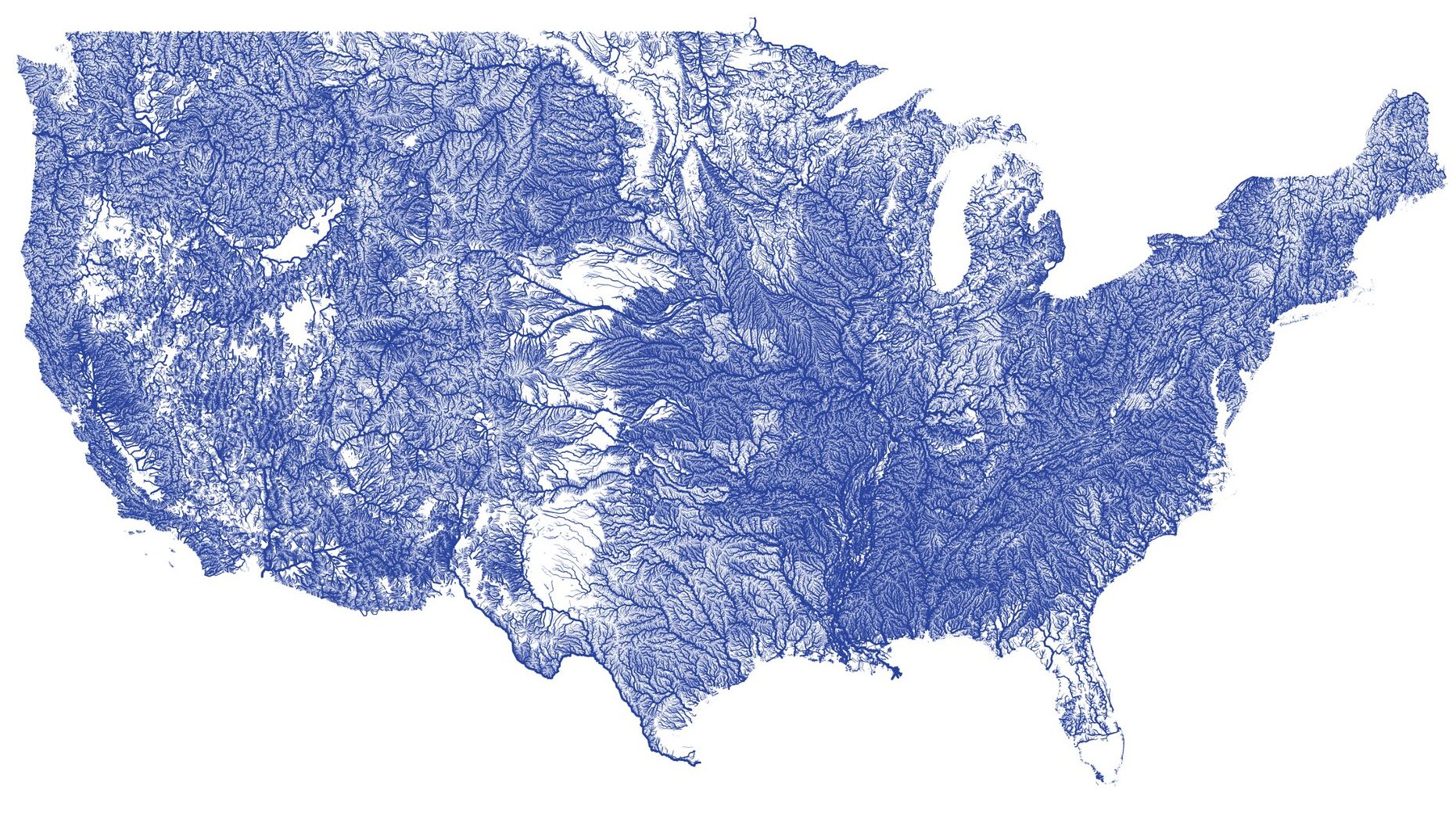
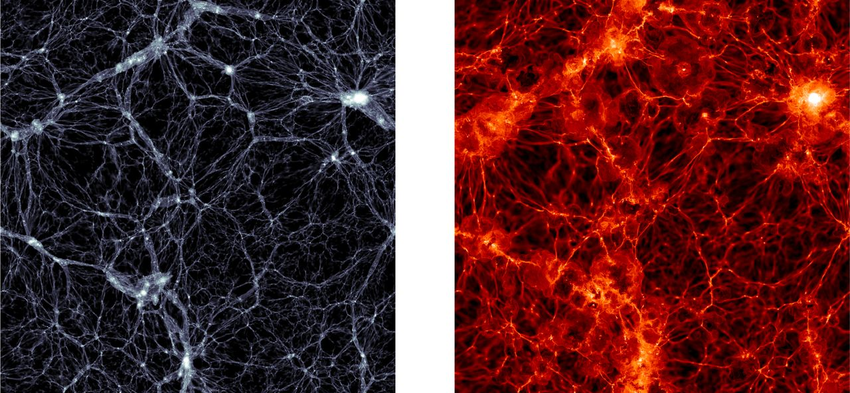
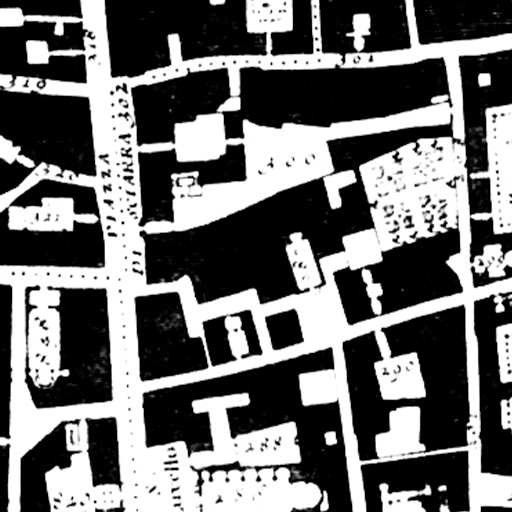
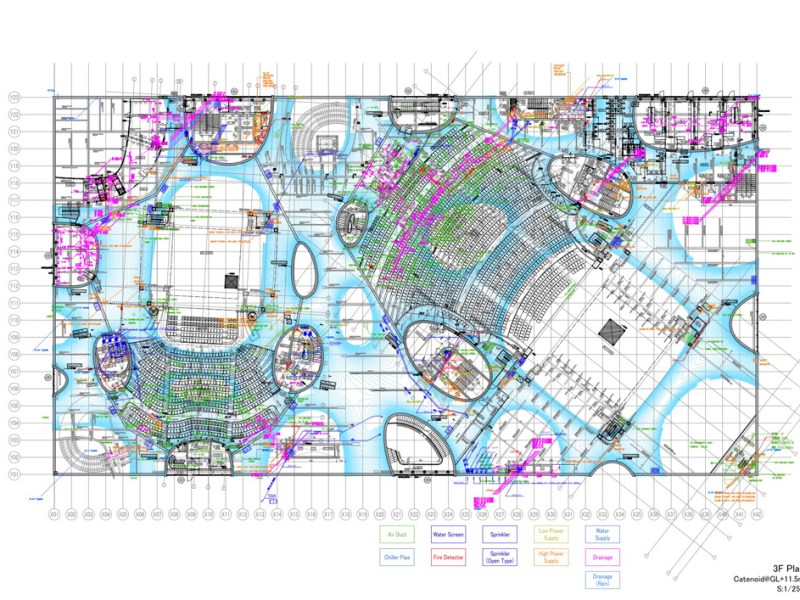
Cities, like natural systems, exhibit recurring patterns – road networks resembling neural pathways, urban densities mirroring galactic baryonic fields and informal settlements taking on river delta formations. The resemblance is not merely aesthetic; these mappings reveal a striking convergence between the built and natural worlds, suggesting an underlying order in urban development.
But are these patterns purely coincidental, or do cities evolve according to the same principles that shape the natural world?
Efficiency optimisation, as explored by Geoffrey West in Scale, is just one of many frameworks that could be used to understand this phenomenon. Just like how organisms evolve to optimise energy use, cities develop transport networks that function like circulatory systems, continuously seeking the most efficient routes for the movement of people and goods. This logic of distribution parallels the structures found in nature, from vascular networks to river tributaries. Henri Lefebvre, in The Production of Space, interprets these systems as living diagrams of urban metabolism, arguing that cities are not static objects but are continuously produced and reproduced by social interactions.
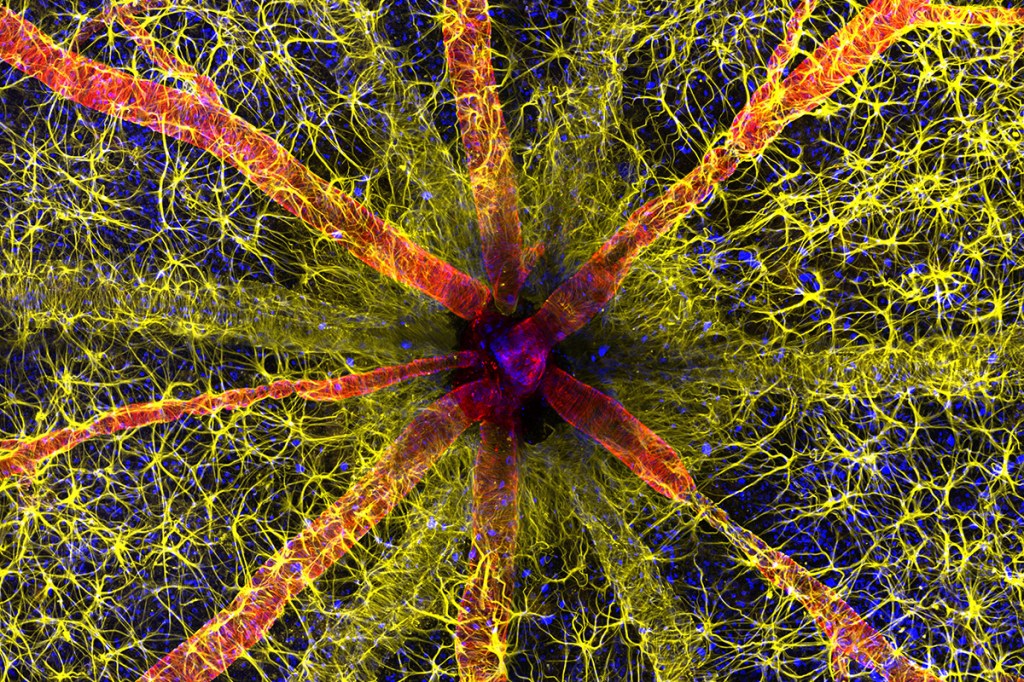
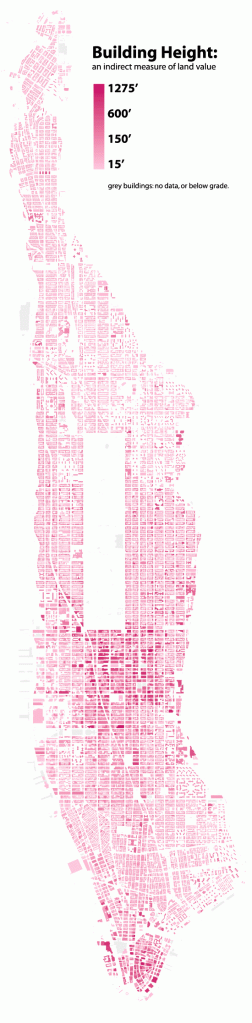
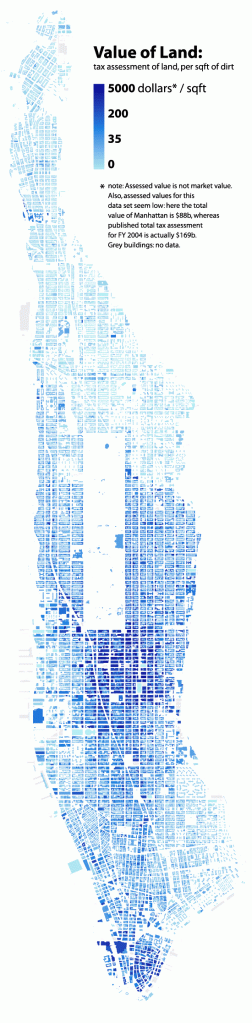
Benoît Mandelbrot’s work on fractal geometry and scale invariance (an example of another framework) provides another compelling perspective. Cities exhibit self-similar structures across different scales: streets branch like river systems and informal settlements expand like organic tissues. Jane Jacobs, in The Death and Life of Great American Cities, attributes urban vibrancy to the spontaneous, interconnected interactions that emerge from this complexity. Mapping building densities reveals how small-scale changes ripple into large-scale urban formations, reinforcing the notion that cities grow not through rigid planning alone but through self-organising forces.
These mappings expose the hidden logic of urban form, revealing that cities are shaped by forces beyond human intent, thriving when they emerge from organic, human-centered patterns rather than top-down, mechanistic planning, as argued in Christopher Alexander‘s A Pattern Language. The parallels between urban and natural structures challenge us to reconsider whether cities are mere human artefacts – or something more “alive”.
And for that reason, is a city a product of deliberate design, or does it evolve as an autonomous entity, governed by the same fundamental laws that shape the natural world?
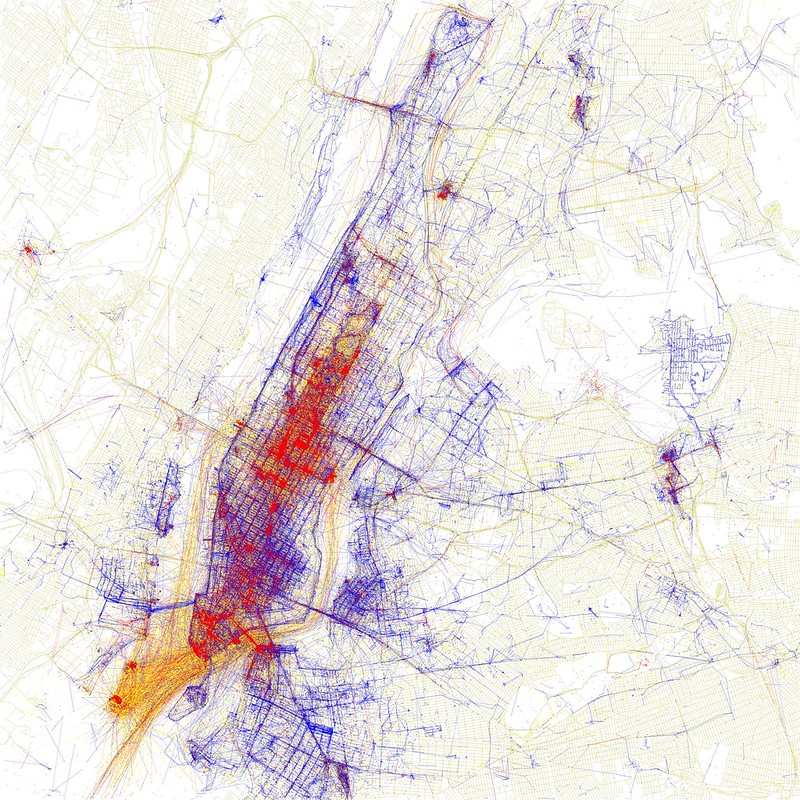
Mapping of geotagged locations of photos by locals (blue), tourists (red) or uncategorised (yellow)
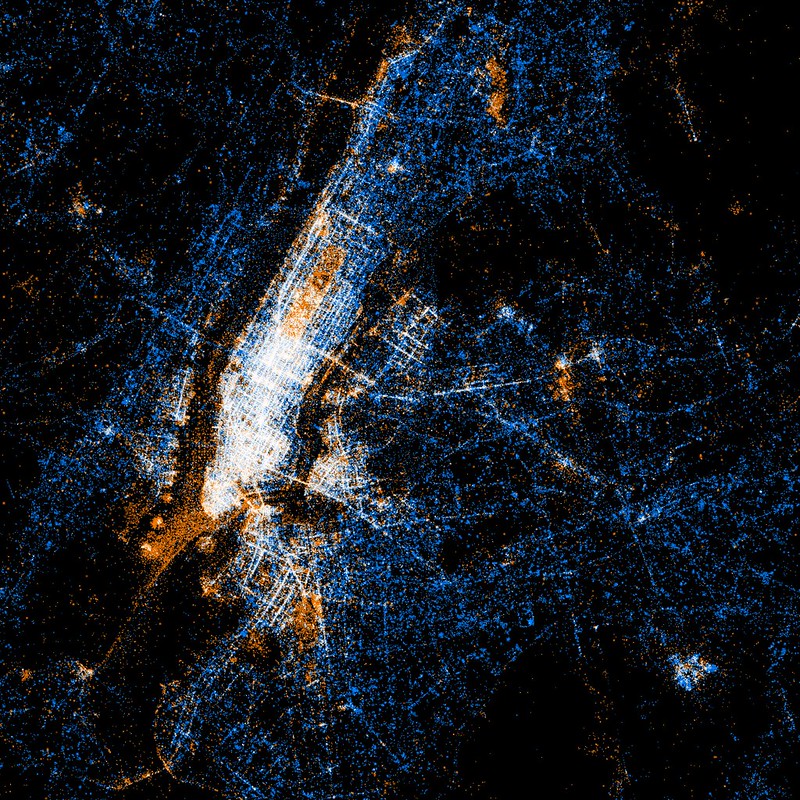
Mapping of locations where twitter tweets (blue), flickr posts (red) or both (white) are posted

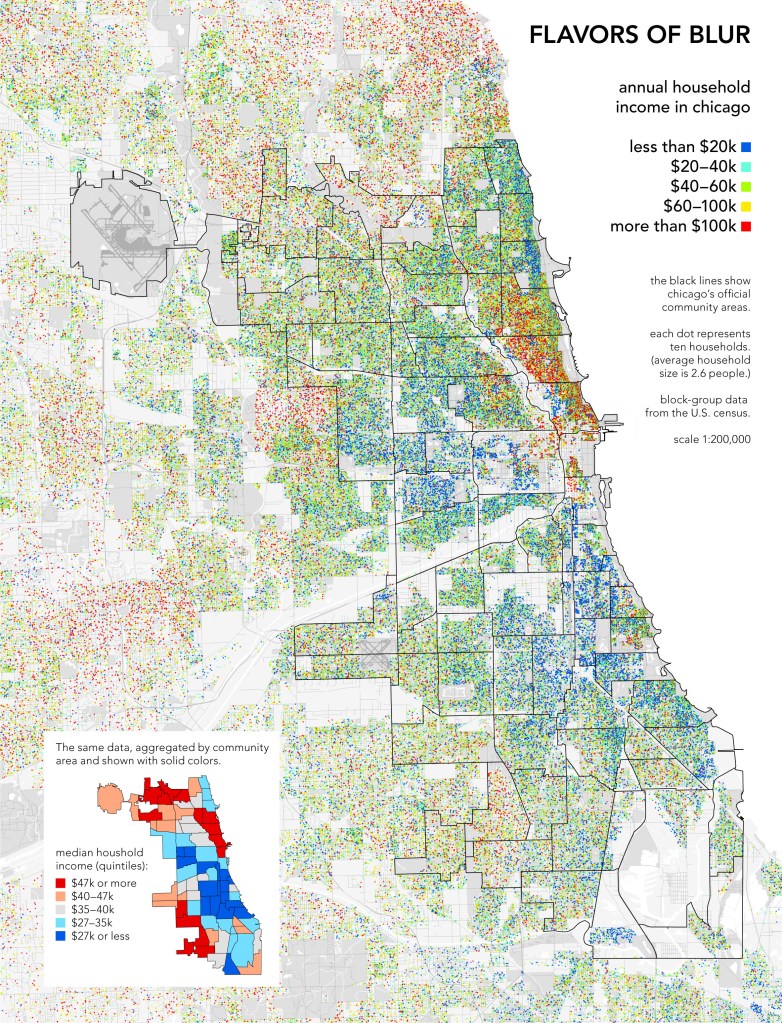

Special thanks to Hao Yuan, Rafael and Shi Jia
 Nusantara Files